Tiny Homes, Big Dreams: Embracing Minimalist Living
The dream of homeownership has long been synonymous with sprawling lawns and multi-car garages. However, for several years now a quiet revolution has been unfolding – one that measures success in freedom rather than square footage. The tiny home movement is more than just a real estate trend; it’s a lifestyle shift toward intentionality, sustainability, and financial independence.
If you’ve ever thought about downsizing or living more simply, a tiny home might be the perfect fit for you. They provide an affordable way to explore the tiny living lifestyle while giving you the freedom to design a space that reflects your style and needs.
Recommended Products:
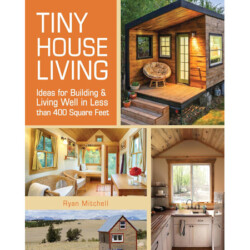
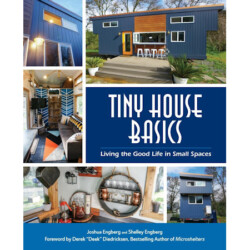
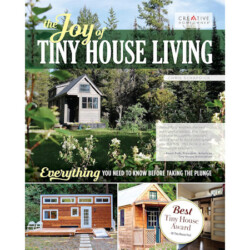
Social media has played a big role in spreading the tiny home movement. Shows and blogs highlight the benefits of tiny living. You’ll find communities and resources to help you connect with others who are interested in tiny homes. In addition, local governments are starting to accept tiny homes in their zoning plans. This makes them a more viable option for many people looking for a home.
In this guide, we’ll explore the “why” behind the tiny home movement, the practical applications of these compact structures, and the myriad of ways you can start your own tiny journey.

Why Choose a Tiny Home?
The decision to “go tiny” is rarely about a lack of options; it’s about a surplus of priorities. Here is why thousands of people are trading 2,500 square feet for 400 or less.
1. Financial Freedom
The most immediate draw is the price tag. In an era where traditional housing costs are skyrocketing, a tiny home offers a path to debt-free living.
-
Lower Initial Cost: While a standard home might cost $400,000, a high-end tiny home often ranges from $60,000 to $120,000.
-
Reduced Overhead: Smaller spaces mean lower utility bills, less property tax, and fewer maintenance costs.
2. Environmental Stewardship
Tiny homes have a significantly smaller carbon footprint. They require fewer materials to build and less energy to heat and cool. Many tiny dwellers take this further by incorporating solar arrays, composting toilets, and rainwater collection systems, allowing them to live “off-grid.”
3. Simplified Living
Clutter isn’t just physical; it’s mental. Living in a tiny home forces you to curate your belongings, keeping only what is functional or deeply meaningful. This “essentialism” leads to less time cleaning and more time experiencing life.

Best Uses and Applications for Tiny Homes
Tiny homes aren’t just for minimalist singles or nomadic couples. Their versatility makes them a solution for various modern challenges.
-
Primary Residence: For those looking to escape the “rat race,” a tiny home serves as a permanent, full-time dwelling.
-
Accessory Dwelling Units (ADUs): Often called “granny flats,” these are placed in the backyard of a traditional home to house aging parents or adult children.
-
Short-Term Rentals: Tiny homes are massive hits on platforms like Airbnb. Their unique aesthetic and “novelty factor” often command higher nightly rates than standard apartments.
-
Mobile Offices/Studios: With the rise of remote work, a tiny home provides a dedicated, quiet workspace separate from the main house.
-
Disaster Relief: Due to their portability and quick build times, they are increasingly used as high-quality, dignified emergency housing.
Mobile vs. Permanent Tiny Homes
As you explore the tiny home lifestyle, you’ll notice that they come in different forms – primarily, tiny homes on wheels and those built on a permanent foundation. Understanding the key differences between these two can help you decide which option aligns best with your lifestyle, goals, and legal considerations.

Tiny Homes on Wheels
Tiny homes on wheels are built on a trailer chassis, making them mobile and portable. These homes often resemble small RVs and are designed to be moved easily from place to place. One of the main advantages of a tiny home on wheels is flexibility. You can take your home with you when you relocate for work, family, or adventure. This mobility also allows owners to explore different communities or natural settings without leaving their home behind.
Legally, tiny homes on wheels are often classified as RVs or recreational vehicles. This classification can simplify the permitting process in some areas, as they may be subject to different regulations than traditional homes. However, zoning laws and restrictions vary widely depending on the city or county, so it’s essential to research local regulations before setting up a tiny home on wheels.
Additionally, tiny homes on wheels tend to be more affordable upfront since they do not require a permanent foundation or extensive land development. They are also easier to build or purchase ready-made, offering a quick and flexible path to minimalist living.

Tiny Homes on a Permanent Foundation
In contrast, tiny homes on a permanent foundation are constructed as traditional houses, built on a fixed site with a concrete slab or pier-and-beam foundation. These homes are considered real estate properties and are subject to local building codes, zoning laws, and property taxes, just like standard single-family homes.
One significant benefit of a tiny home on a permanent foundation is stability and permanence. Owners have the security of owning land and building a home that’s designed to last many years. These homes often offer more space for customization, including larger layouts, plumbing, and utility connections, making them suitable for those who want a more traditional home experience.
However, building a tiny home on a foundation involves more complex permits, higher upfront costs, and longer construction timelines. You’ll need to find suitable land and navigate local regulations, which can be challenging in some areas. Additionally, while this option offers permanence, it reduces flexibility in terms of mobility.
Choosing Between the Two
Deciding between a tiny home on wheels and one on a permanent foundation depends on your lifestyle, financial goals, and legal considerations. If you crave adventure, flexibility, and lower initial costs, a tiny home on wheels might be the best fit. Conversely, if you value stability, permanence, and a traditional property setup, a tiny home on a foundation could be more suitable.
Both options have their unique benefits and challenges, but ultimately, the right choice aligns with your personal vision of tiny living.
Essential Features of Tiny Homes
How do you fit a whole life into the size of a master bedroom? It comes down to smart engineering and multifunctional design.

The Kitchen
In tiny homes, kitchens prioritize vertical storage. Despite their small size, they prioritize smart use of space, making cooking and meal prep convenient while maintaining an open, uncluttered feel. You’ll often find:
-
Two-burner induction cooktops instead of full ranges.
-
“Apartment-sized” or drawer-style refrigerators.
-
Deep sinks with cutting board inserts to increase counter space.
The Sleeping Quarters
Sleeping quarters in a tiny home are designed to be cozy, functional, and space-efficient. Often, they feature lofted beds that maximize vertical space, providing room underneath for storage or a small workspace. Alternatively, some tiny homes have fold-away beds or Murphy beds that can be tucked away during the day to free up living space. Compact mattresses, built-in nightstands, and clever storage solutions help optimize comfort without sacrificing functionality. Light and ventilation are important, with windows or skylights often included to create an airy, inviting sleeping area. Overall, tiny home sleeping quarters prioritize comfort and practicality within a compact, well-designed space.

The Bathroom
Bathroom layouts in tiny homes are designed to maximize space and functionality. They focus on smart design and multifunctionality, ensuring comfort and convenience without sacrificing valuable interior space.
- Combined shower and wet bath to save room.
- Space-saving fixtures like corner sinks and compact toilets.
- Small exhaust fans or windows to prevent moisture buildup.
- Wall-mounted shelves, over-toilet cabinets, or built-in niches help keep essentials organized.
High-Tech Systems
-
HVAC: Most use Mini-Split heat pumps, which are incredibly efficient for small volumes of air.
-
Water: Systems often include “on-demand” tankless water heaters to ensure hot water without a bulky tank.

Styles of Tiny Homes
Tiny home architectural styles encompass a wide range of designs, reflecting personal preference as well as the setting. From modern tiny homes that feature sleek, boxy shapes with large windows and minimalist exteriors, to rustic styles that incorporate natural materials like wood and stone and blend seamlessly with outdoor surroundings, there is no shortage of options. Each style adapts to small-scale living by maximizing space and functionality, demonstrating that innovative architecture can create beautiful, practical homes regardless of size.
| Style | Key Characteristics | Best For |
| Modern/Industrial | Metal siding, floor-to-ceiling windows, mono-pitch roofs. | Urban dwellers and office spaces. |
| Rustic Cabin | Cedar siding, exposed wood beams, cozy lofts. | Mountain retreats and woods. |
| Victorian/Cottage | Gabled roofs, gingerbread trim, colorful paint. | Backyard ADUs and whimsical escapes. |
| Bohemian/Eclectic | Reclaimed wood, porthole windows, unique textures. | Artists and DIY enthusiasts. |
| Modern Farmhouse | White shiplap, black hardware, sliding barn doors. | A clean, trendy, and bright aesthetic. |
The style you choose for your tiny home can carry through to the interior as well. A modern design will often feature clean lines, minimalist layouts, and neutral color palettes inside, emphasizing open space and functionality. A rustic tiny home in the woods, on the other hand, may incorporate more natural elements into its design. Ultimately, tiny home design emphasizes efficiency without sacrificing style, allowing owners to express their personality while enjoying a comfortable, functional living environment.
Tiny Home Kits: The Middle Ground
For many, the choice is between buying a “turnkey” home (fully finished) or building one from scratch (DIY). Tiny home kits offer a perfect middle ground.
Building your own tiny home can feel like a big adventure, but with the right kit, you can take it step by step. Many kits come with pre-cut materials and clear instructions, so you don’t need to be a master builder to create your dream space. It’s a great way to get involved in the process and personalize your home just the way you want it.

What’s in a Kit?
Kits range from “shell kits” (the frame and exterior) to “all-inclusive kits” (including cabinets and fixtures). Each type has its own price range and level of involvement, so you can choose what works best for you.
-
The Frame: Usually light-gauge steel or SIPs (Structural Insulated Panels).
-
The Blueprint: Stamped architectural plans that ensure the structure is sound.
-
The Components: Pre-cut lumber or panels that fit together like a giant LEGO set.
Benefits of Kits
-
Cost Savings: You save on labor costs by doing the assembly yourself.
-
Speed: Because the pieces are pre-cut, you can often “dry-in” (make the structure weatherproof) the home in a matter of days rather than weeks.
-
Confidence: Kits take the guesswork out of the engineering, ensuring your home won’t buckle under wind or snow loads.
Costs and Budgeting
Understanding the costs and budgeting for tiny homes is key to making your dream a reality. There are several factors to consider, including initial expenses, financing options, and ongoing maintenance costs.
Upfront and Hidden Costs
When buying a tiny home kit, the upfront costs can vary widely. You might pay anywhere from $10,000 to $50,000, depending on the size and materials. Keep in mind that you may also face hidden expenses. These can include:
- Land costs: If you don’t already own land, you need to factor in the price of the lot.
- Utilities: Setting up water, electricity, and sewage can add to your budget.
- Permits and fees: Check local building codes and zoning laws. Often, there are fees for permits and inspections.
Don’t forget to account for moving costs if you need to transport the tiny home kit to your site.

Financing Options
Financing a tiny home can be different from traditional homes. Many banks may not provide loans for tiny homes on wheels since they are not classified as real estate. Here are some alternative financing options if a mobile tiny home is your goal:
- Personal loans: You can consider unsecured loans for small amounts if you don’t have enough cash upfront.
- Credit cards: Some people use credit cards for quicker access to funds, but watch out for high interest rates.
- Specialty lenders: Some companies focus on tiny homes and can offer loans tailored to your needs.
Researching different options can help you find the best deal that fits your budget.
Maintenance Expenses
Tiny homes may have lower maintenance costs than larger homes, but you still need to plan for regular expenses. Look at these common maintenance costs:
- Repairs: Setting aside around 1% of your tiny home’s value annually for repairs is a good rule of thumb.
- Insurance: You will need homeowners insurance, which can vary based on the home’s location and value.
- Utilities: Budget for monthly utilities, such as water and electricity, as they still apply to tiny homes.
Understanding these expenses ensures that your tiny home journey goes smoothly without financial surprises.
Living in a Tiny Home
Living in a tiny home requires smart design choices and lifestyle adjustments. You’ll learn how to make the most of limited space, adapt to new living habits, and connect with like-minded people.

Maximizing Space
In a tiny home, every square foot counts. To maximize space, consider multi-functional furniture. For example, a sofa that turns into a bed or a table that can fold away when not in use helps you save room.
Utilize vertical space by installing shelves or cabinets that go up to the ceiling. This keeps your belongings organized and off the floor.
Storage solutions are also key. Use under-bed storage and make the most of closets. Do remember to keep only what you need. This creates an open and spacious feel.

Lifestyle Changes
Living in a tiny home often means a simpler lifestyle. You may find yourself prioritizing needs over wants. This change can be refreshing.
You might spend more time outdoors or in community spaces. Cooking and entertaining might also become more shared experiences.
Another aspect is being mindful about what you own. With limited space, you’ll likely get rid of excess items. This can lead to less stress and a clearer mind.

Community and Social Aspects
Tiny home living often encourages a strong sense of community. You may find that neighbors are more friendly and willing to help. Many tiny home residents enjoy sharing ideas or experiences.
There are also plenty of tiny home communities where you can connect with others. These groups often host events, workshops, and social gatherings.
Joining a community can also lead to friendships and support systems. Sharing resources and knowledge makes living in a tiny home even more enjoyable.

Final Thoughts: Is Tiny Right for You?
In the end, tiny home living offers a unique opportunity to embrace simplicity, sustainability, and intentionality in daily life. Whether on wheels or on a permanent foundation, tiny homes allow you to reduce your environmental footprint, lower living costs, and create a personalized space that truly reflects your values and lifestyle. The decision between mobility and permanence depends on your personal goals—whether you desire the freedom to travel and explore or prefer the stability of owning land and building a long-term residence.
While the journey to tiny living may come with challenges, such as navigating zoning laws or adjusting to a smaller space, the rewards often outweigh the obstacles. Many find that living tiny fosters a deeper appreciation for what truly matters—relationships, experiences, and a connection to the environment.

Ultimately, tiny home living is about more than just size; it’s a mindset shift towards mindful consumption and intentional living. As more people explore this lifestyle, it’s clear that tiny homes can offer a path to greater freedom, financial independence, and a meaningful way to live in harmony with the world around us.